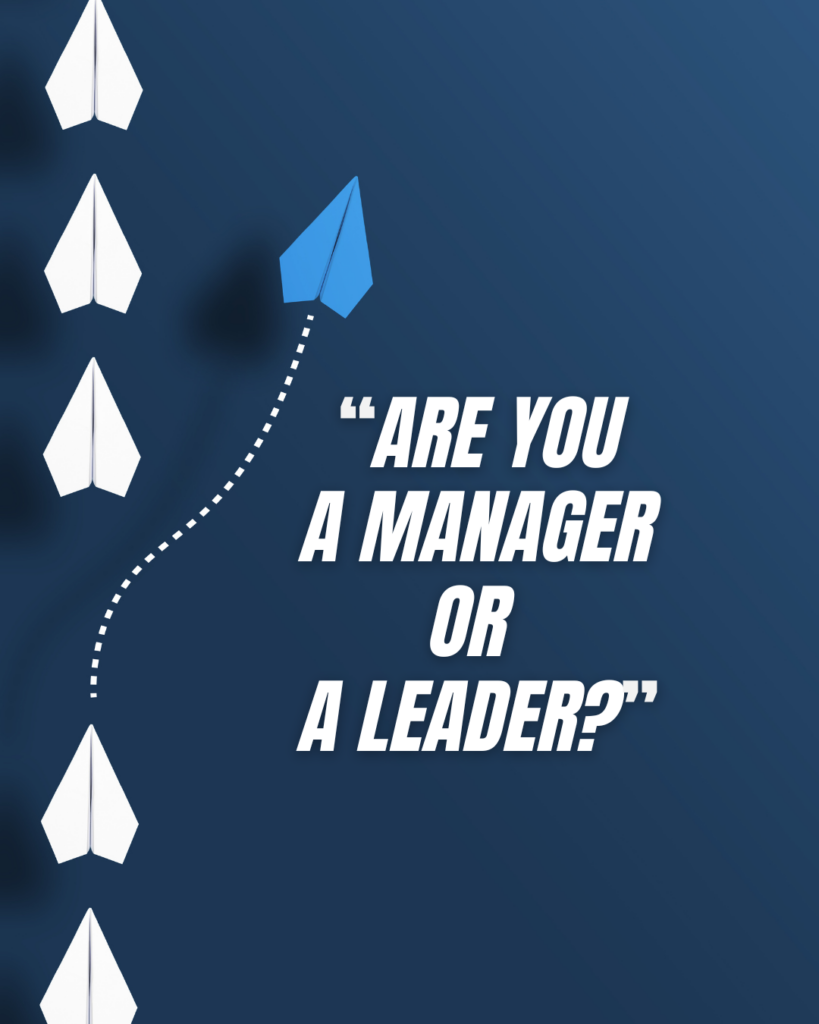
“Are you a manager, or a leader?”
At my first job, the Managing Director used to challenge us with that question. His tone was heavy with expectation; there was no doubt which role he valued more.
In many Western business contexts, hierarchy neatly separates bosses, managers and leaders, with leaders often placed at the top of the pyramid. Leadership is celebrated. Management is tolerated. Being “the boss” is frequently frowned upon.
But once you’ve worked across cultures and regions, you realise it’s not that black and white.
Whether it’s better to be a manager, a leader or a boss depends on context: the situation you’re facing, the needs of your team, and your own strengths and goals. Each role serves a distinct purpose.
The misunderstood boss
Bosses are often caricatured as old-school command-and-control figures, exerting power purely through their title. At their worst, they are associated with fear, hierarchy and oppression. And yet, dismissing the “boss” entirely would be a mistake.
A boss who combines directive authority with solid management can provide something teams desperately need: clarity. When authority is exercised with fairness, empathy and genuine concern for people’s wellbeing, it can be stabilising,
even inspiring.
Especially in moments of uncertainty, people don’t always need endless consensus.
Sometimes, they need direction.
The underrated manager
Managers often get a bad reputation for being reactive, clinging to the status quo or indulging in micromanagement. That’s the narrow take.
In reality, management is essential when the focus is on:
- efficiency
- execution according to plan
- effective use of resources
If you’re naturally organised, strong in planning and disciplined in execution, being a manager isn’t a weakness. It’s a strength.
Without good managers, strategies remain PowerPoint slides and visions never materialise.
The glorified leader
Leaders, on the other hand, are often romanticised.
They are portrayed as charismatic figures who set direction, define ambition and ignite passion in others. And at its core, leadership really is about inspiring change that resonates deeply.
Leadership qualities are critical when the focus is on:
- motivating people
- setting a compelling vision
- fostering innovation
- driving transformation
Strong interpersonal skills, storytelling and emotional awareness are powerful assets. Especially when you’re trying to mobilise people around a common cause.
The real question isn’t manager or leader
The most effective people in positions of authority don’t lock themselves into one role. They blend the best of all three.
They are:
- leaders who can inspire and set direction
- managers who can translate vision into action
- and yes, sometimes bosses who dare to make decisions and provide clarity
They adapt.
And that ability to shift style depending on context -what we often call contextual leadership– is rare. Some people develop it over time. Others stumble into the right context. A few seem to possess it almost naturally.
Leadership, engagement and lived experience
Leadership has a profound influence on engagement, in organisations, in politics, and in society at large.
If you asked me to list the most inspiring leaders I’ve encountered, I would hesitate. Not because they don’t exist, but because they come in so many forms. I’ve seen leadership in boardrooms, on factory floors, in classrooms and in unexpected, informal moments. Business literature lists more than twenty leadership styles: servant, autocratic, transformational, visionary, democratic, affiliative, and many more.
But truly exceptional leaders tend to share a few things:
- they put people first
- they communicate clearly and consistently
- they tell stories that resonate
- and they are attuned to the emotional reality of their teams
Most importantly: they don’t just create followers. They grow other leaders. And that, ultimately, is what drives sustainable engagement.