Leading change: you cannot rush the emotional journey
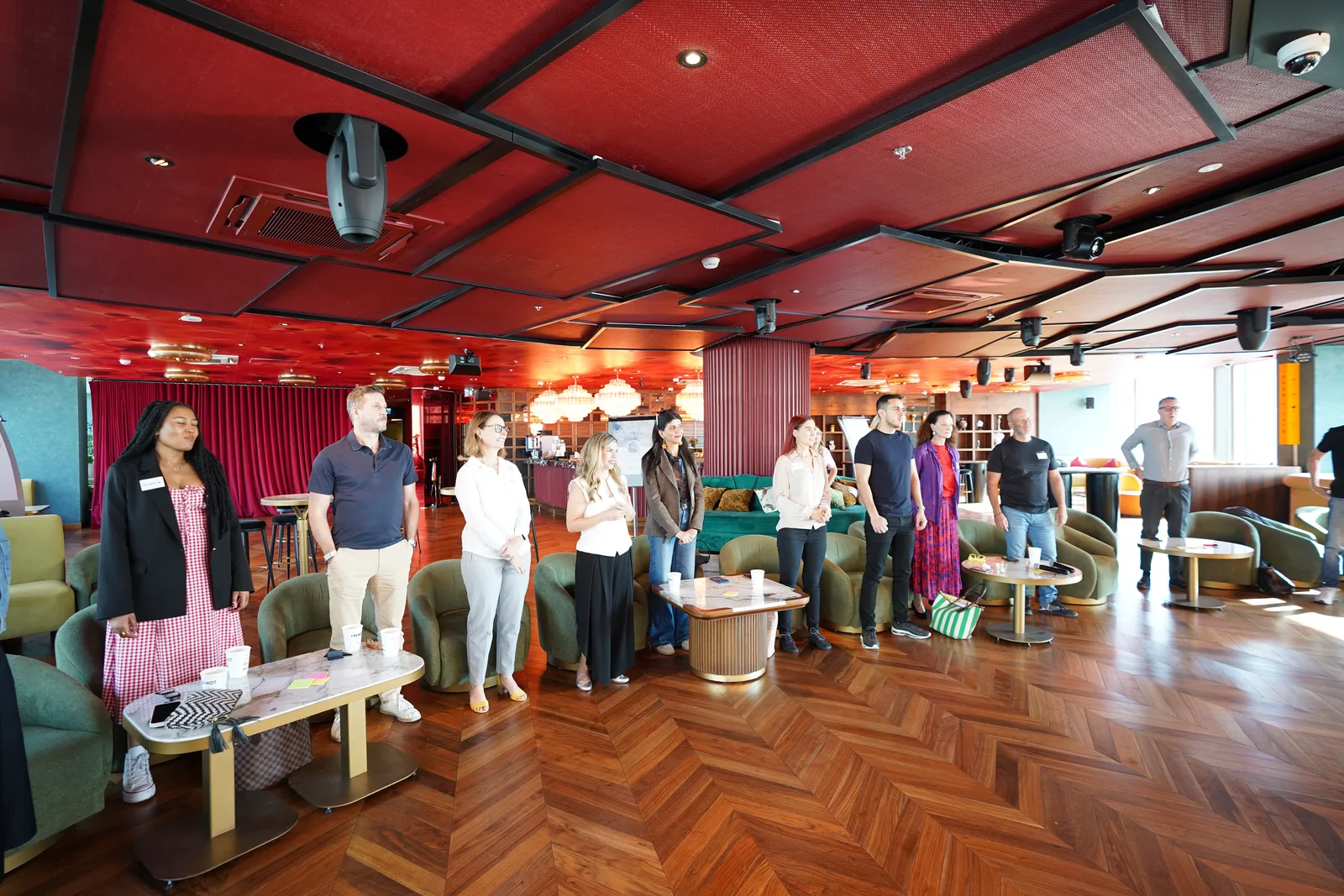
Most change starts with the plan. A strategy is decided at the top, a deck is made, a town hall is held, and then leaders wonder why the people who have to carry it are not moving. At our Bravos Lab in Dubai this week, Bravos coach Maud Gaspard made the case for starting somewhere else: with how people feel.
A more fragile world
For years, leaders described their environment as VUCA: volatile, uncertain, complex and ambiguous. Maud opened the Lab with the shift to BANI: brittle, anxious, non-linear and incomprehensible. VUCA describes a world that is hard to read. BANI adds how it feels to the people in it. When the environment is fragile and anxious, an announced change never lands on a calm team.
Name the emotions, and let everyone go at their own pace
The Kübler-Ross change curve was first written about grief. It maps the emotions people tend to go through when something they relied on changes: from shock and denial, through frustration and doubt, to acceptance and, in the end, commitment.
What the Lab worked on is emotional literacy: identifying, naming and normalising those emotions, and accepting that everyone travels the curve at their own speed. A team is not at acceptance on the day of the announcement just because its leader is.
What a simulation shows that a slide cannot
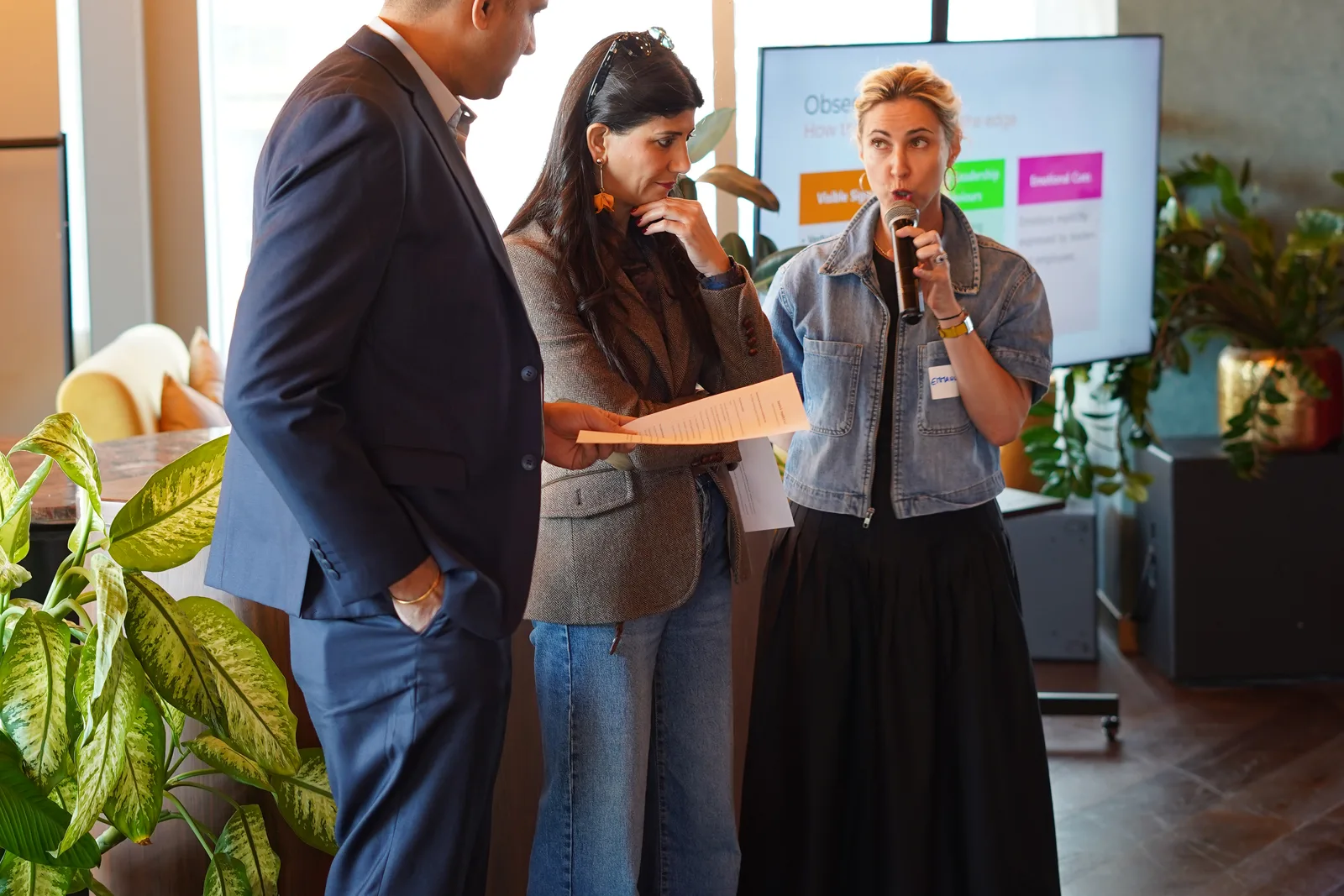
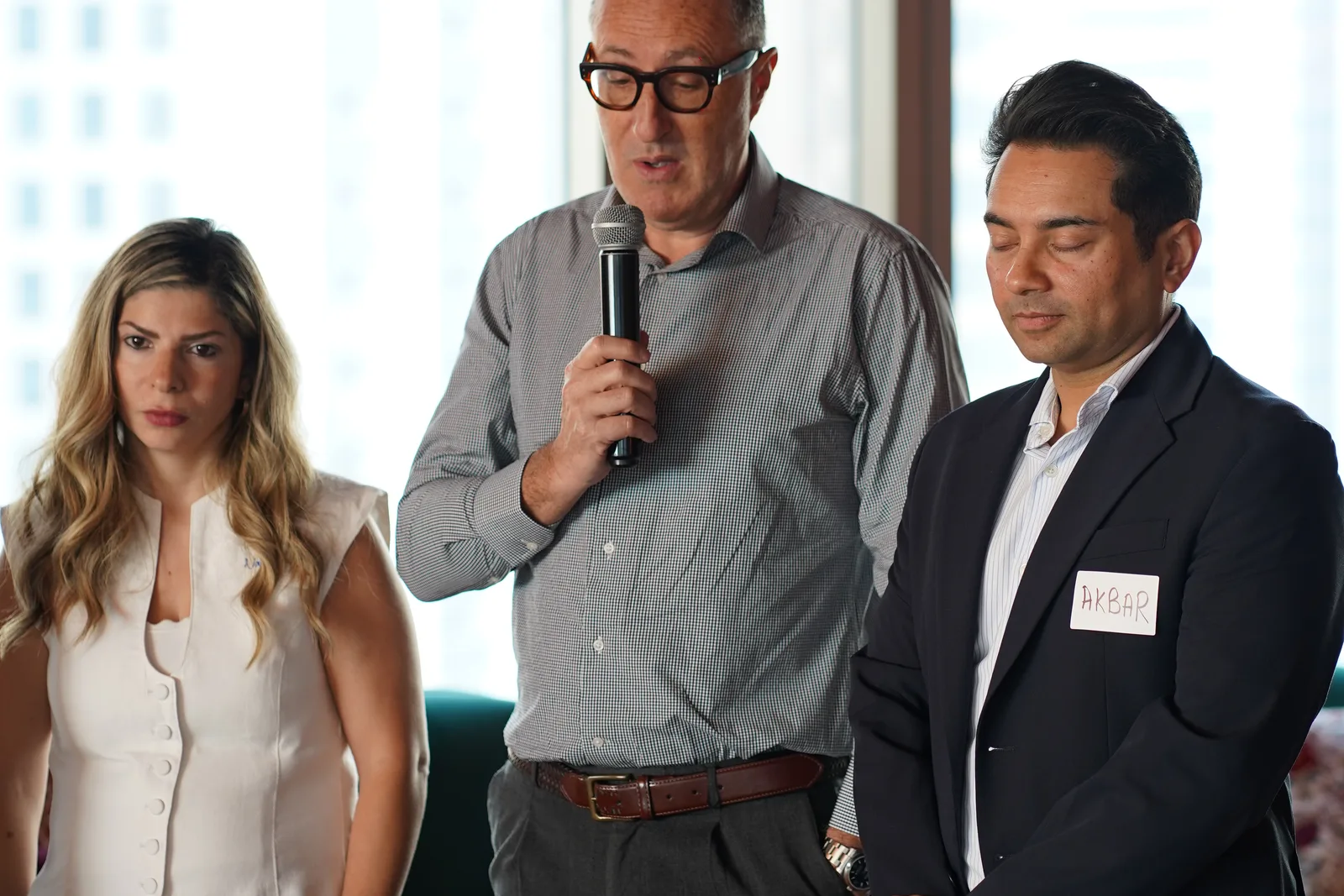
The highlight was a live run, on stage, of Maud's Crossing the Edge simulation. Participants took the roles of leaders, employees and observers, facing a crisis-driven strategic shift. It made three things tangible:
- how hard it is to communicate change well;
- how much is said in verbal and non-verbal signals;
- how acknowledging emotions can turn resistance into connection and engagement.
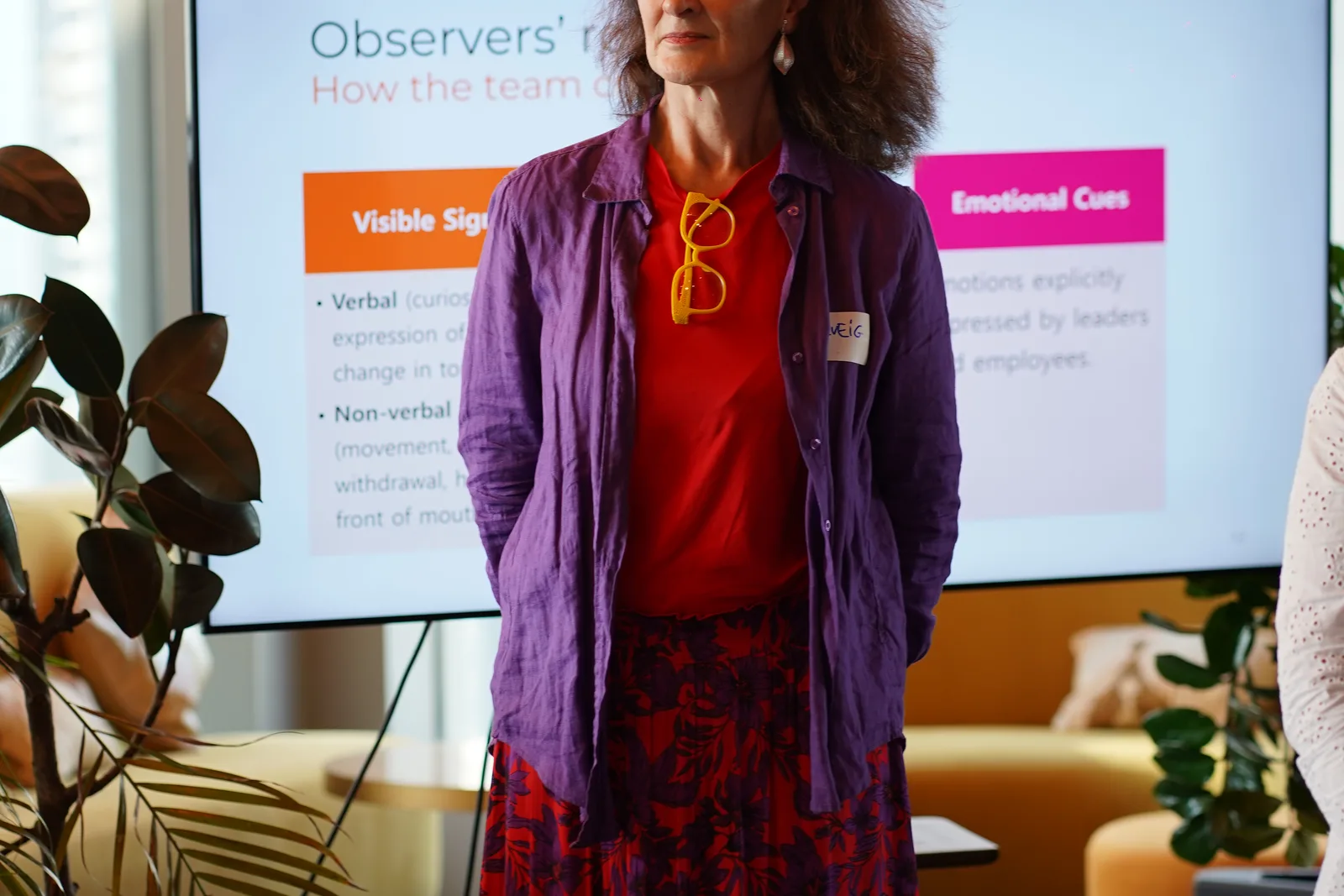
That is the value of playing it instead of discussing it: the room did not hear that acknowledging emotions works, it experienced it.
The order matters
The lesson the room took home: you cannot rush the emotional journey of change. People need to understand the reality, feel heard and regain confidence in the future before they can fully commit to moving forward.
For a leader with a change on the table, that gives an order:
- Say what is really happening.
- Listen until people feel heard.
- Rebuild confidence in the future.
- Only then build the plan, together.
At that fourth step, tools earn their place. Profiling tools such as Six Seconds' Group Dashboard and 18 Brain Talents help a team see its complementary strengths and use its collective intelligence to build and carry out a responsive strategy.
Why this is an engagement question
At Herculean Alliance we work on employee engagement, and change is where engagement is won or lost. Maud put it in one line at the end of the Lab: the strategy may come from the top, but making it happen starts with engaged people.
Maud's own recap of the morning is on bravos.ae. The Bravos Labs are monthly working sessions for leaders in Dubai; the next one is on Tuesday 1 December. See bravos.ae/labs.